Facebook Pixel
All About Attic Fans in Austin, San Antonio, and Texas Hill Country areas.

How Do Attic Fans Work? A Guide for Austin Homeowners

Summary:If you’re considering an attic fan installation, it’s crucial to engage a trusted professional to ensure proper sizing and installation.

If you have ever stepped into an attic during an Austin summer, you know just how much heat can build up beneath the roof.

That heat naturally raises a few questions: How do attic fans work? Can they actually reduce attic heat? And will installing one lower your energy bills?

At The Guild Collective, we work with roofing and ventilation systems throughout Austin. One thing we always want homeowners to understand is that attic ventilation is a system. An attic fan can help move hot air out, but the fan has to work alongside proper intake ventilation, insulation, air sealing, and the rest of the roof assembly.

Here’s what that means for your home.

What Is an Attic Ventilator?

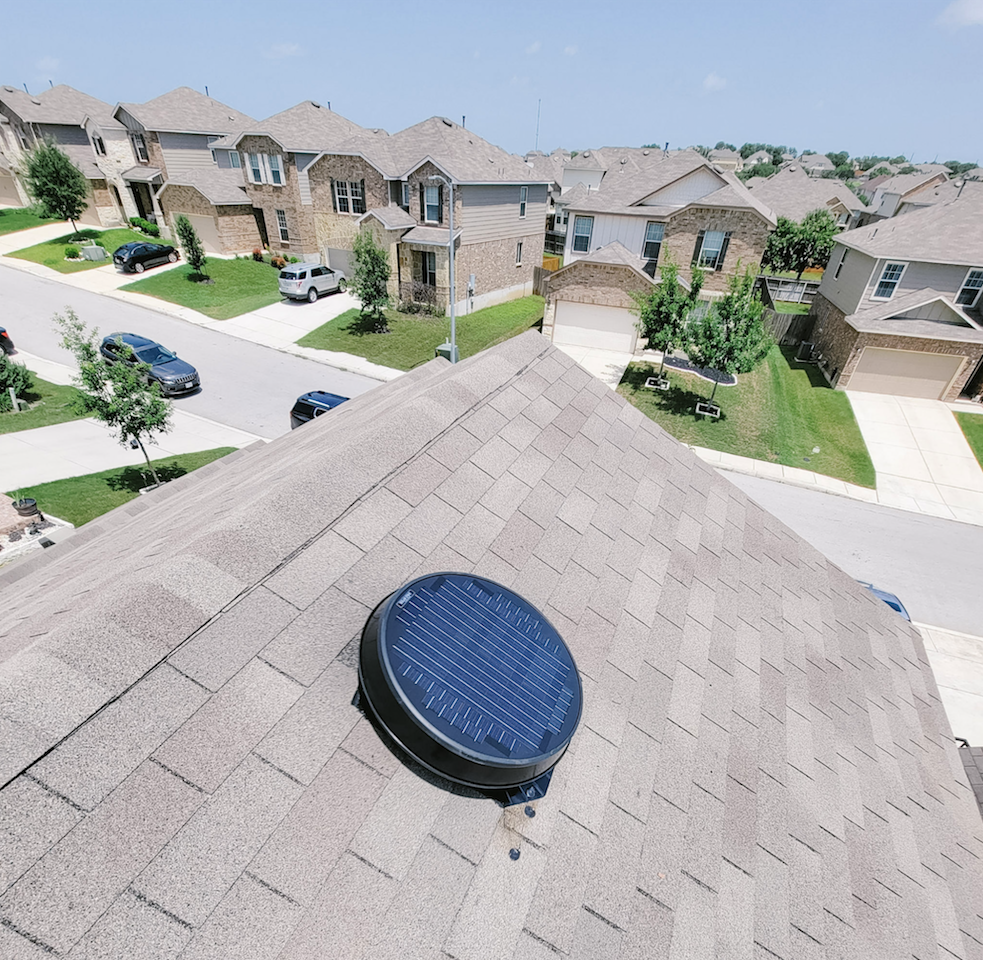
An attic ventilator, commonly called an attic fan, is designed to move hot air out of an unconditioned attic.

Most attic ventilators are installed either through the roof or on a gable wall. As the fan exhausts hot attic air, fresh outdoor air should enter through intake vents located elsewhere in the roofing system.

Depending on the home, those intake vents may include:

  • Soffit vents
  • Eave vents
  • Other properly positioned intake ventilation


The purpose isn’t to turn your attic into an air-conditioned room. Instead, attic ventilation helps keep air moving so excessive heat doesn’t remain trapped beneath your roof.

There are several types of powered attic ventilation systems. At The Guild Collective, solar attic fans are one of the ventilation solutions we install when they’re appropriate for the home.

How Do Attic Fans Work?

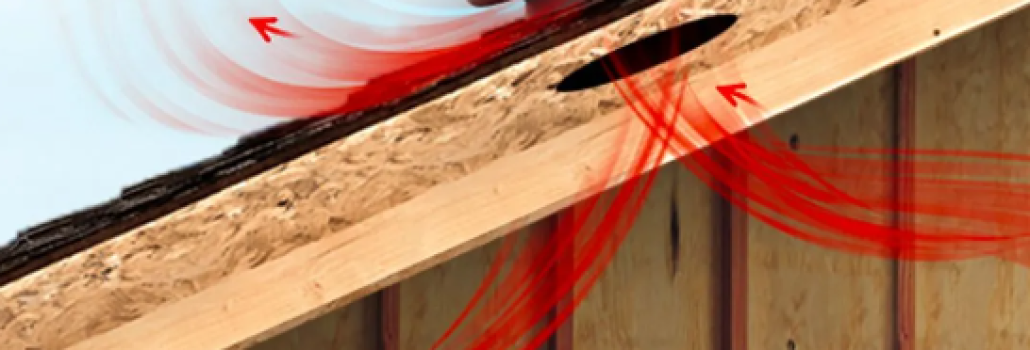
Attic fans work by creating active airflow through your attic.

The process is fairly simple:

Fresh outdoor air enters through intake vents → air moves through the attic → hot attic air is exhausted outside.

When the fan is running, it pulls warmer air toward the exhaust point and sends it outdoors. At the same time, replacement air needs to enter through the home’s intake ventilation.

That last part is important.

An attic fan needs enough intake air to operate properly. If the attic doesn’t have adequate intake ventilation, installing a larger or more powerful fan isn’t necessarily going to improve performance.

That’s why we look at the entire ventilation system before recommending a solution.

We consider factors such as:

  • Attic size
  • Existing intake ventilation
  • Roof design
  • Fan location
  • Insulation
  • Air sealing
  • Existing roof vents


When all of those components work together, the attic has a more effective path for moving hot air outside.

How Attic Fans Reduce Heat

Austin gets hot, and your roof takes the full force of that Texas sun.

As sunlight heats the roof surface throughout the day, some of that heat transfers into the attic below. If the attic doesn’t have enough airflow, heat can continue building beneath the roof.

An attic fan helps by exhausting that hotter attic air and replacing it with outdoor air.

That doesn’t mean an attic fan will make the attic the same temperature as your living room, nor should it. The goal is to improve air movement and reduce excessive heat buildup.

For many homeowners, it’s helpful to think about attic ventilation as one piece of a larger heat-management system.

Your home’s:

  • Attic ventilation
  • Insulation
  • Air sealing
  • Roofing system
  • HVAC system


all influence how heat moves through the property.

An attic fan should complement those systems rather than be expected to compensate for problems elsewhere.

Do Attic Fans Lower Energy Bills?

This is one of the questions we hear most often.

An attic fan may help reduce cooling demand, but installing one does not guarantee lower energy bills.

When an attic fan helps remove excessive heat from above the living space, there may be less heat for your home’s cooling system to manage. But the actual impact depends on how the house is built and how well the attic is sealed and insulated.

Factors that can influence energy performance include:

  • Attic insulation levels
  • Air leaks between the attic and living space
  • Existing intake ventilation
  • Ductwork located in the attic
  • Roof design and exposure
  • Fan size
  • Existing passive ventilation


This is also why we don’t recommend simply installing the largest attic fan available.

If a fan exhausts more air than the attic’s intake vents can replace, it can create negative pressure and pull conditioned air from the home through gaps in the attic floor.

In that situation, your air conditioner could end up working harder rather than less.

What About Solar Attic Fans?

Solar attic fans operate using energy from the sun rather than drawing operating electricity from the home’s electrical system while solar power is available.

For Austin and the surrounding Texas Hill Country, solar-powered ventilation can be an attractive option when active attic ventilation is appropriate.

But the same rule still applies: the fan has to be properly sized and paired with adequate intake ventilation.

We don’t believe in adding equipment simply because it sounds like an upgrade. We want the ventilation solution to make sense for the home.

Why Intake Ventilation Matters

A good attic ventilation system needs both intake and exhaust.

Think of it this way: if you’re trying to push air out of a space, new air needs a way to come in.

In many homes, intake air enters through vents near the lower portion of the roof, such as soffit or eave vents. Hotter attic air can then move toward higher exhaust points.

When we evaluate an attic for ventilation improvements, we don’t look at the exhaust fan in isolation.

We also pay attention to whether:

  • Intake vents are present
  • Intake vents are clear and unobstructed
  • There is enough intake area for the fan
  • Existing roof vents are positioned appropriately
  • Insulation is blocking airflow
  • The attic appears properly air-sealed from the living space


Getting that balance right matters more than simply adding more ventilation products.

Attic Fans vs. Whole-House Fans: What's the Difference?

Homeowners sometimes use attic fan and whole-house fan as if they mean the same thing, but they serve different purposes.

Attic Fans

An attic fan moves air through the attic space.

Its purpose is to help exhaust hot attic air and support ventilation beneath the roof.

Whole-House Fans

A whole-house fan moves air through the living areas of the home.

When conditions are appropriate, a whole-house fan pulls outdoor air through open windows and moves indoor air toward the attic, where it is then exhausted outdoors.

We offer ventilation solutions that include solar attic fans, garage fans, and whole-house fans, but the right option depends on what you’re trying to accomplish.

If your concern is excessive heat building in the attic, an attic ventilation solution may make sense.

If you’re trying to move outdoor air directly through the living spaces of your home, you’re looking at a different type of ventilation strategy.

Does Every Austin Home Need an Attic Fan?

No.

We don’t recommend attic fans simply because a home is located in Austin.

Texas heat can absolutely make attic ventilation important, but some homes already have an effective passive ventilation system. Others may have comfort problems caused primarily by insufficient insulation, air leakage, HVAC issues, or another condition that an attic fan won’t fix.

That’s why we prefer to look at the home before recommending the solution.

For some homes, improving existing ventilation may be enough.

For others, a solar attic fan can be a useful addition.

And sometimes, the first thing that needs attention isn’t the ventilation system at all.

Our goal is to understand what’s happening in the attic and recommend an option that makes sense for the property.

What Makes an Attic Fan Work Properly?

Bigger isn’t automatically better when it comes to attic fans.

A properly designed system needs to account for the size and configuration of the attic as well as the amount of available intake ventilation.

Before recommending an attic fan, there are several things we consider.

Attic Size

The fan should be appropriately sized for the amount of attic space it needs to ventilate.

Intake Airflow

There needs to be enough intake ventilation to replace the air the fan is exhausting.

Fan Placement

Where the fan sits on the roof or gable affects how efficiently air moves through the attic.

Existing Ventilation

We look at the ventilation that’s already there rather than automatically adding another exhaust point.

Insulation and Air Sealing

A ventilation fan shouldn’t be pulling conditioned air from the rooms below. The attic and living space need to be properly separated.

This whole-system approach is consistent with how we work throughout The Guild Collective.

We take pride in our craftsmanship, but we also believe good service means making things easy to understand. We communicate with our customers throughout the process, show up when we say we will, and focus on doing the work correctly rather than simply adding another product to the roof.

How Can You Tell If Your Attic Ventilation Needs Attention?

A hot attic doesn’t automatically mean something is wrong. Attics naturally get hot during Texas summers.

However, certain conditions may be worth investigating, including:

  • An attic that feels excessively hot or stagnant
  • Upstairs rooms that are consistently difficult to cool
  • Existing attic fans that no longer appear to operate
  • Little or no visible intake ventilation
  • Blocked soffit vents
  • Uneven airflow through the attic
  • A roof ventilation system you’re simply unsure about


These symptoms don’t automatically mean you need a new attic fan.
That’s why an evaluation matters.

We can look at the roof, ventilation, attic configuration, and existing system to help determine where the issue may be coming from and what options make sense.

Are Solar Attic Fans a Good Option for Austin Homes?

Solar attic fans can be a practical ventilation option for many Austin-area homes. Because the fan is powered by sunlight, it naturally has access to its energy source during sunny conditions when attic heat tends to build.

Solar attic fans may be particularly useful when a home would benefit from additional active exhaust ventilation and has sufficient intake airflow to support the fan.

However, we still don’t treat them as a one-size-fits-all product. Before recommending installation, we consider the attic size, roof configuration, existing vents, intake ventilation, insulation, and where the fan would perform best.

When solar attic ventilation is the right fit, we install systems with a focus on proper placement, clean workmanship, and long-term roof performance. Our solar attic fan installations include a 5-year workmanship warranty, while manufacturer coverage is typically 10 years, depending on the product.

Let Us Help You Find the Right Attic Ventilation Solution

At The Guild Collective, we believe good home improvements start with understanding the problem before choosing the product. An attic fan can help move trapped heat out of your attic, but proper ventilation depends on the entire system—from intake airflow and fan placement to insulation, air sealing, and roof design.

That’s why we don’t take a one-size-fits-all approach.

Our team of master craftsmen provides roofing, gutter, skylight, and ventilation services for residential and commercial properties throughout Austin. We bring generations of experience to our work, with a focus on superior service, clear communication, punctuality, and craftsmanship we’re proud to put our name behind.

If you’re wondering whether your Austin home could benefit from a solar attic fan or another ventilation improvement, contact us for a Free Estimate. We’ll take a look at your system, explain what we find in straightforward terms, and help you determine the right next step.

Frequently Asked Questions

Yes. Attic fans can effectively exhaust hot air from an attic, which can be especially useful during Texas summers. However, how much they affect indoor comfort or cooling demand depends on the home’s insulation, air sealing, intake ventilation, roof design, and overall attic system.

An attic fan is designed to ventilate the attic, not directly cool the rooms inside your home. Reducing excessive attic heat may help reduce some of the heat load above the living space, but an attic fan is not a replacement for air conditioning, insulation, or proper air sealing.

Attic fans need adequate intake ventilation, which often comes from soffit or eave vents. The exact ventilation design depends on the roof. Without enough intake airflow, an attic fan may pull air through unintended openings rather than creating balanced attic ventilation.

It can if the attic ventilation system isn’t designed correctly. A powerful attic fan without adequate intake ventilation or proper air sealing may pull conditioned air from the home into the attic. That’s one reason we evaluate the complete system before recommending a fan.

An attic fan and air conditioner can operate at the same time because they serve different spaces. The attic fan ventilates the attic while the AC cools the living space. However, adequate air sealing and intake ventilation are important so the attic fan isn’t pulling cooled air out of the home.

There isn’t one correct runtime for every attic fan. Some powered models operate according to temperature controls, while solar attic fans primarily run when sufficient sunlight is available. The appropriate operation depends on the type of fan and the ventilation needs of the attic.

A solar attic fan can be worthwhile when a home needs additional active attic ventilation and has the proper intake airflow to support it. Austin’s sunny climate also allows solar-powered fans to operate during many of the periods when attic heat is building. We recommend evaluating the attic before deciding whether a solar fan is the right solution.

Our solar attic fan installations currently start around $1,400 installed, with final pricing depending on the home, roof, fan selection, and installation requirements. We provide a Free Estimate so we can recommend the right setup and give you accurate pricing for your property.

In most homeowner conversations, the terms refer to the same general type of equipment. An attic ventilator is a fan used to exhaust air from an attic. You’ll also hear terms such as powered attic ventilator, roof-mounted attic fan, gable fan, or solar attic fan depending on the system.

Possibly, but not always. A hot upstairs room can also be caused by insulation gaps, ductwork problems, air leakage, HVAC balancing, window exposure, or other issues. Improving attic ventilation may help when excessive attic heat is contributing to the problem, but we recommend identifying the cause before assuming a fan will solve it.

Picture of The Guild TX Expert Team <sup>Author</sup>

The Guild TX Expert Team Author

The Guild TX Expert Team is a collective of licensed roofing contractors and certified installation specialists serving Central Texas for over 15 years. Based in Austin and Boerne, our team specializes in storm damage restoration, insurance claims support, and quality roofing, gutter, skylight, and ventilation solutions. Call 866-461-3263 or visit guildtx.com.

More About Author