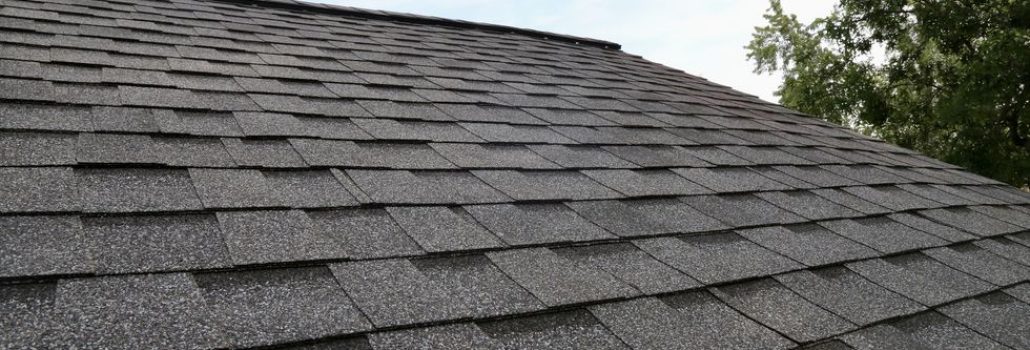
Keeping a roof in good condition over time isn’t always easy, but it’s worth the effort. Normal wear and tear can take its toll, and if you don’t pay attention to the signs, you may find yourself with a costly repair bill. Knowing what to look out for can help you avoid potential damage down the road.
The most common sign of wear and tear is missing or curling shingles caused by exposure to wind, hail, rain, or sun. In addition, when examining your roof, check for broken or deteriorating flashings and any visible signs of water damage, such as staining on the ceiling from inside the house. It’s also important to be aware of discoloration caused by growth and fungus on asphalt shingle roofs, which can lead to decay over time.
Proper maintenance is key to extending the life of your home’s roof and reducing the risks associated with overuse. Start by inspecting your roof regularly – at least twice a year – particularly after storms or other extreme weather events that could have caused damage. Clear gutters from debris such as twigs, leaves, and other materials that could cause clogs. Consider applying a protective coating to asphalt shingle roofs every 5 years and ensuring all metal seams are properly sealed to protect against leaks. Make sure any nearby trees are trimmed back so they are not putting extra stress on your home during gusty winds or thunderstorms.
However, there are some tasks best left to certified professionals with experience in accurately diagnosing problems before they worsen into major issues. At The Guild Collective, our team provides comprehensive inspection services and recommendations on how best to extend your roof’s lifespan, so you can make an informed decision about what’s right for your family and your budget.
Frequently Asked Questions
Normal wear and tear is gradual deterioration from age, weather, and routine exposure—faded shingles, granule loss, minor curling, moss growth—distinct from sudden storm damage or neglect requiring urgent repair.
Roof lifespan varies by material: asphalt shingles ~20–30 years, metal 40–70 years, tile 50+ years; climate, installation quality, and maintenance determine the actual lifespan. Inspections help save time, repairs, and replacements.
Signs include granule loss, curled or cracked shingles, faded color, moss or algae, minor leaks, and small soft spots; these indicate aging rather than sudden, insurable damage.
Most policies exclude routine wear and tear; insurers typically cover sudden, accidental events. Regular maintenance and documentation improve claim outcomes and prevent denials due to neglect.
Photograph affected areas with dates, keep inspection reports, invoices, and maintenance logs; note weather events and contractor assessments to create a clear timeline supporting claims or service decisions.
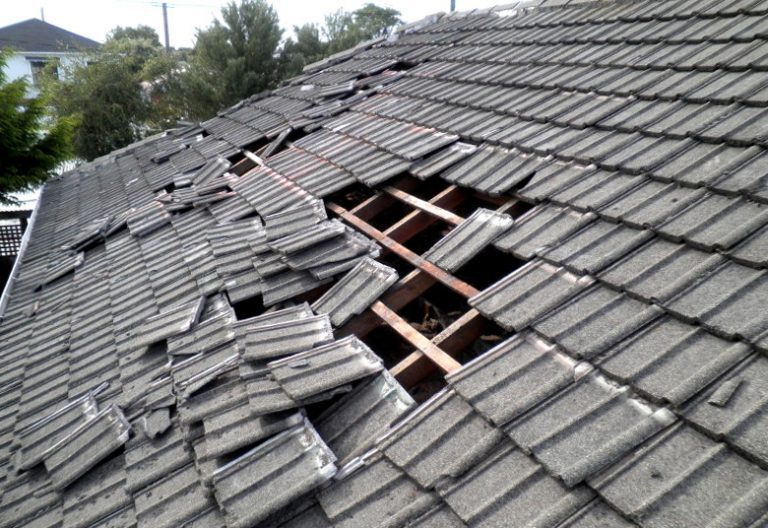
Damage is considered neglect when issues persist untreated—widespread rot, prolonged leaks, missing shingles left ignored, or no maintenance. Insurers may deny claims if the homeowner’s inaction caused deterioration.
Schedule inspections, clean gutters, remove debris and moss, trim overhanging branches, replace damaged shingles, and repair flashing promptly to extend roof life and reduce costly failures.
Minor granule loss is expected with age; excessive granules in gutters, bald spots, or exposed matting signal accelerated wear and likely need for professional assessment or replacement.
Insurers often deny claims for gradual wear or poor maintenance; sudden storm-related leaks are more likely to be covered—document the cause, timing, and prior maintenance before filing a claim.
Have a certified roofer inspect every two years, after major storms, or when you notice signs of aging; older roofs or harsh climates benefit from more frequent checks to prevent surprises.