Your home is more than just a place to hang your hat; it’s a sanctuary, an investment, and a reflection of your personal style. When it comes to maintaining and upgrading your home, few decisions carry as much weight as the choice of roofing material. The roof not only shields your family from the elements but also plays a pivotal role in your home’s curb appeal and overall value.
A well-maintained, high-quality roof not only protects your home from the elements but can also significantly increase its resale value.
Whether you’re planning to sell in the future, looking to enhance your home’s aesthetic appeal, or simply want a long-lasting and resilient roof, understanding which roof adds the most value to a home is a crucial step in making informed decisions about your most significant investment. So, let’s explore the world of roofing materials and discover which one can truly elevate your home’s worth. Are you curious about what type of roof adds the most value to a home?
Single-Ply Roofing:
Single-ply roofing membranes, like TPO, PVC, or EPDM, offer a cost-effective and energy-efficient option for homeowners.
Single-ply roofing materials often come with reflective properties that can reduce heating and cooling costs, increasing the home’s energy efficiency. They also require minimal maintenance requirements meaning lower upkeep costs, which can be attractive to potential buyers. A well-maintained single-ply roof can last for 20 to 30 years, providing long-term value.
Tile Roofing:
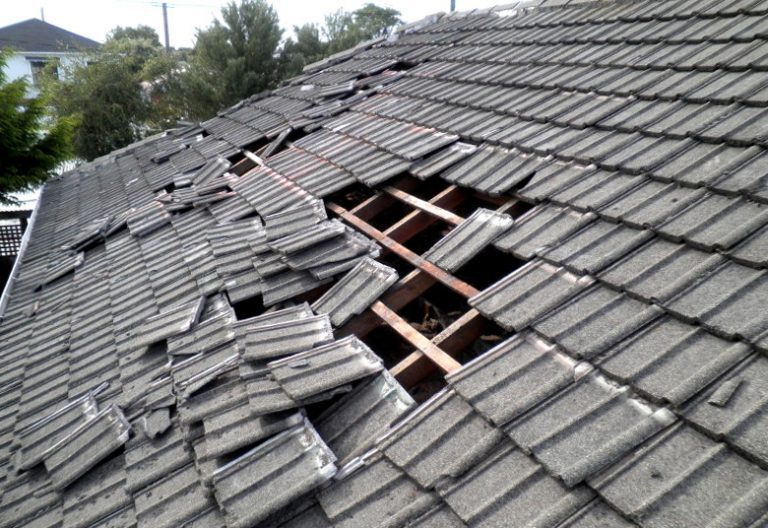
Tile roofing is renowned for its aesthetic appeal and impressive longevity. Tiles are typically made from materials like clay or concrete.
Tile roofs can enhance a home’s curb appeal significantly, making it more attractive to potential buyers. With a lifespan of 50 to 100 years or more, tile roofing offers long-term value and can be a strong selling point. Tile roofing also has thermal properties that can help regulate indoor temperatures, contributing to energy savings.
Shingle Roofing:
Asphalt shingle roofs are the most common choice for residential properties due to their affordability and ease of installation.
Asphalt shingles are budget-friendly, making them an accessible option for many homeowners. Shingles come in various colors and styles, allowing homeowners to customize their home’s loo, and can last between 15 and 30 years, providing reasonable longevity for the cost.
Metal Roofing:
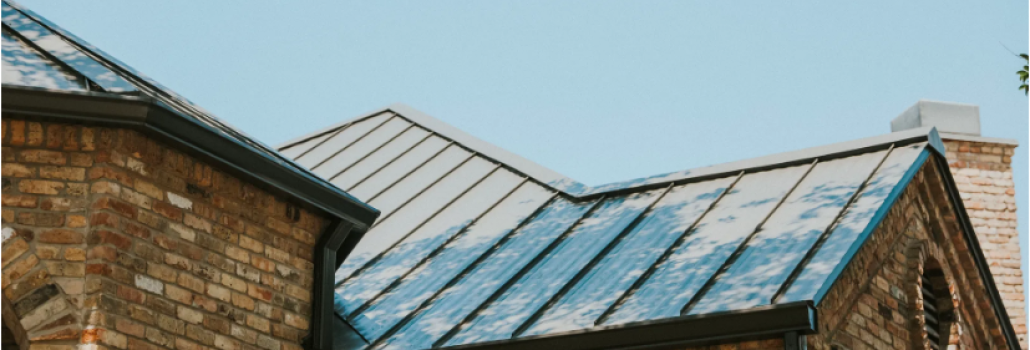
Metal roofing materials, including steel, aluminum, and copper, are known for their strength and longevity.
A high-quality metal roof can last 50 years or more, making it a long-term investment. Metal roofs are highly resistant to fire, wind, and hail, offering protection and peace of mind to homeowners. Reflective metal roofs can reduce energy costs, enhancing the home’s energy efficiency and appeal.
While all four roofing materials have their advantages, the roofing material that adds the most value to a home ultimately depends on various factors, including the local real estate market, the home’s style, and the preferences of potential buyers. Tile and metal roofing materials typically offer the highest resale value due to their longevity, durability, and curb appeal. However, single-ply roofing can be an excellent option for homeowners looking for a cost-effective, energy-efficient solution.
Contact The Guild Collective to assess your specific needs and guide you toward the roofing material that not only adds value but also suits your budget and complements your home’s aesthetics. In the end, a well-chosen roof not only enhances your home’s value but also provides long-lasting protection and peace of mind. Please set up your free consultation today to discuss what type of roof adds the most value to your home.